NCC tasks operators on investments, corporate governance, avoidable outages
 By Upfrontdigital News
0
204 Views
By Upfrontdigital News
0
204 Views
By Upfrontdigital News
0
204 Views
By Upfrontdigital News
0
204 Views
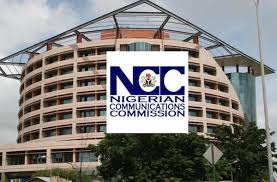
NCC building, Abuja
By Favour Unukaso
THE Nigerian Communications Commission (NCC) said it would hold telecoms operators accountable to ensure significant improvement in consumers’ experience.
As such, NCC said it expected operators to invest deliberately in expansion, capacity and resilience; reduce avoidable outages while strengthening incident response plans and ensure transparent communication with consumers during service disruptions.
The telecom regulator said operators must simplify tariffs and improve pricing clarity, in line with regulatory guidance. NCC wants telcos to upgrade customer care and complaint handling, treating complaints as critical feedback.
NCC in a document, titled: ‘2026: Delivering Better Quality of Experience to the Nigerian Consumer’, and signed by the Executive Vice Chairman, Dr Aminu Maida, said operators must protect the integrity of the ecosystem, including timely settlement with critical suppliers and supporting service sustainability.
Operators are expected to comply with the guidelines on corporate governance for the industry as well as other extant regulatory obligations.
“Put simply, stronger networks, clearer communication, better customer care, stricter compliance,” Maida stated.
NCC, on its part, said it will prioritise quality of service and network resilience. On this, the commission said it will deepen its QoS monitoring, strengthen major incident reporting and escalation, and drive practical measures that improve availability and performance, especially in high-traffic areas and persistent black spots.

Maida, NCC EVC
The Commission will be high on consumer protection and transparency.
“We will reinforce tariff transparency, accuracy of billing, customer care standards, and protections against misleading practices. Consumers will also see more consistent public communication during major service incidents.”
In 2026, NCC said it will ensure fair competition and market discipline. “A healthy market delivers better service and prices. The NCC will continue to promote fair competition, prevent anti-competitive conduct, and support innovation that benefits consumers and strengthens service delivery.
“In 2026, we will operationalise the revised Corporate Governance Code for the communications sector, thus strengthening board and management accountability and making governance a key driver of operator performance.”
To the telcos, the NCC said it will maintain clear and transparent processes for regulatory decisions; increase efficiency in regulatory services, including licensing, approvals, and related applications, in line with extant laws and regulations.
The Commission said it will engage with stakeholders through structured evidence-based consultations and working groups; improve escalation channels for urgent service-impacting issues; support an enabling environment for sustainable investment, including continued engagement with relevant government partners to reduce barriers to deployment and protect infrastructure.
The NCC said it will enforce compliance with regulatory obligations, particularly on service quality, good governance frameworks, and protection, and apply appropriate regulatory consequences for persistent or material non-compliance in a fair, transparent, and proportionate manner.

Telecoms Mast
Moving the sector forward, the NCC said there will be regular publication of industry performance insights and outcomes; protection of Critical National Information Infrastructure (CNII)—reducing vandalism, theft, and disruptions, in continued collaboration with the Office of the National Security Adviser (ONSA), and the Nigeria Security and Civil Defence Corps (NSCDC), whose increasing support has strengthened coordination, rapid response and infrastructure protection nationwide.
The NCC, which will see to power resilience and energy efficiency-improving uptime and stability, said there will be a stronger partnership with sub-national governments, including through the Nigeria Governors’ Forum (NGF), whose willingness to engage has become increasingly important in addressing RoW challenges, easing deployment bottlenecks, protecting infrastructure and enabling faster network rollout at state and local levels.